
Spices
TURMERIC WHOLE /POWDER
Turmeric finger
Our Company is regarded as the most sought after exporter of wide range of Turmeric finger. These are renowned for their antiseptic attributes and are thus widely used for quick healing of wounds. Further, turmeric is mainly used to add color, fragrance and taste to dishes and gives an attractive appeal to the food preparation. Therefore, these are very popular among our international client base. The Color curcumin extracted from turmeric is used as a colourant. Turmeric is also used as a dye in textile industry.
Turmeric Powder
Turmeric powder is called as a “golden spice” of India. It is found that turmeric were cultivated during the Harappa civilization in 3000 BC. It is used for cooking, pharmaceutical and cosmetic purposes for centuries. Experts found that turmeric is the best source of “Curcumin” which is a chemical compound and is widely used in the pharmaceutical industry. If cooking is concerned, they are used in Indian and Thai dishes. Turmeric is rich in antioxidants and anti-inflammatory compounds.
A study also mentions that turmeric intake may prevent cancer. We procure turmeric from a large base of farmers by which we can cater the needs of the buyer round the year.

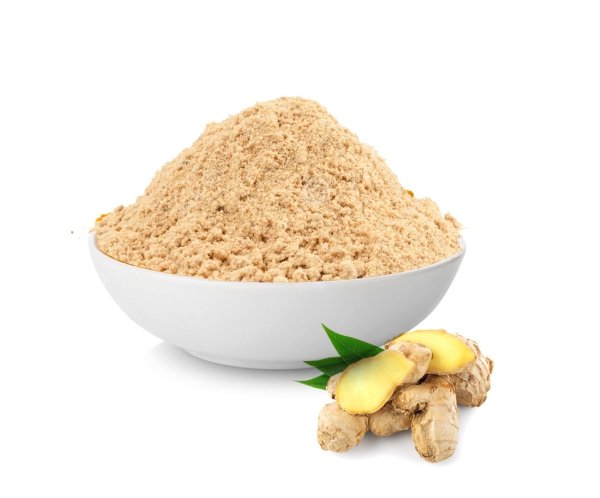
GINGER POWDER
Dry Ginger powder is extracted from the ginger root which is dried. It is a fine offwhite or slightly brownish powder that has a strong aroma and a pungent flavour. Dry ginger powder is utilized as a spice in curries, gravies and marinades.
Flavor and Aroma: Ginger powder has a characteristic warm, spicy flavor. It also has a strong, pungent aroma. The unique flavor and aroma come from natural oils, including gingerol, which also has anti-inflammatory and antibacterial properties.
Culinary: Ginger powder is used in a variety of dishes, including soups, stews, marinades, sauces, and spice blends.It’s used in gingerbread, cookies, cakes, and other baked goods. It’s used to flavor tea, hot chocolate, and other beverages.
Medicinal: Ginger powder is used for its potential health benefits, such as reducing nausea, aiding digestion, and relieving inflammation. Ginger powder is rich in antioxidants, including gingerols.It also contains various nutrients like vitamins and minerals.
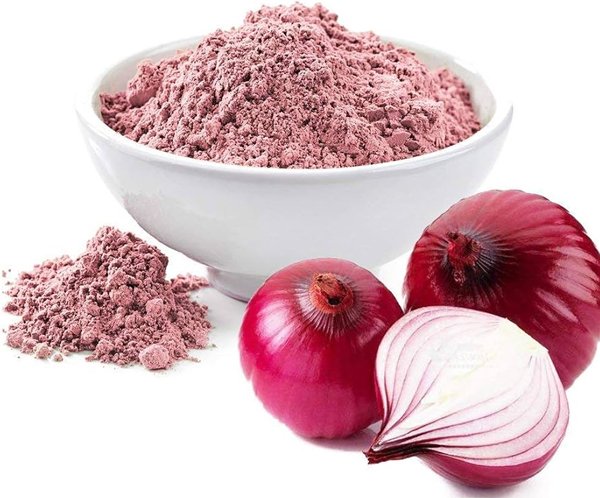
ONION POWDER
Onion powder is a fine, dried ground onion used as a seasoning, offering a concentrated onion flavor. It’s a convenient alternative to fresh onions, offering a long shelf life and easy use in various dishes. Onion powder retains many of the nutrients found in fresh onions, including vitamins B and C, folic acid, and potassium.
Key details about onion powder:
It provides a concentrated onion flavor, often described as sweet, sulfur-like, and with a hint of garlic. Onion powder is used in various dishes like pasta, pizza, grilled chicken, and sauces.
It retains some of the nutrients found in fresh onions, including vitamins B and C, folic acid, and potassium.
It offers a long shelf life and easy storage compared to fresh onions.
Onion powder may have health benefits, including supporting gut bacteria, bone health, and skin & hair health.
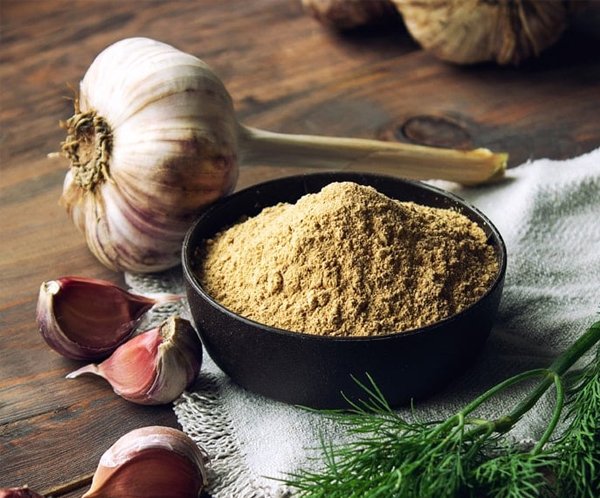
GARLIC POWDER
Garlic powder is a dehydrated and finely ground form of garlic cloves, offering a convenient and concentrated garlic flavor. It’s a popular seasoning used in various culinary applications, including spice blends, dry rubs, and directly on food.
Details
Uses: Seasoning on food like roasted vegetables, popcorn, or snacks. Added to spice blends and dry rubs for meat, poultry, or fish. Incorporated into sauces, marinades, or vinaigrettes. Used to enhance the flavor of soups and stews. Added to bread, pasta dough, or even sprinkled on pizza before baking.
Nutritional Benefits: Garlic powder can contribute to overall dietary well-being due to the health benefits associated with fresh garlic, including potential for boosting immunity and supporting cardiovascular health.
DRY MANGO POWDER
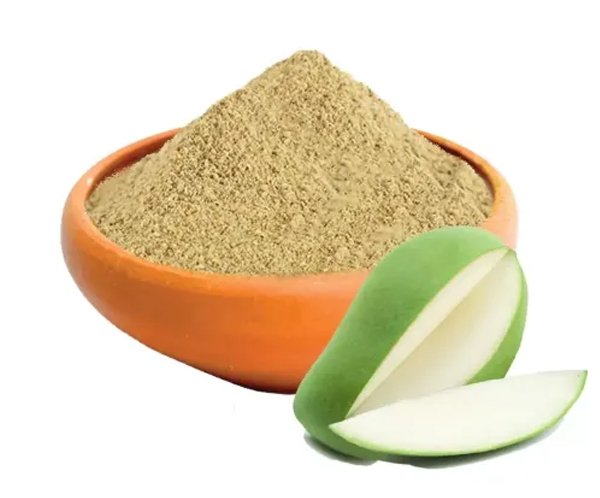
Green mango powder, also known as amchur or aamchur, is a tangy spice made from dried unripe green mangoes. It’s a popular ingredient in Indian cuisine, adding a sour and fruity flavor to various dishes. Amchur is a fruity spice powder made from dried unripe green mangoes, used as a citrusy seasoning.
Here’s a more detailed breakdown:
- What it is: Green mango powder is a fine, pale green powder made from dried unripe green mangoes.
- How it’s used: It’s a flavor enhancer and souring agent, often added to curries, dal, pickles, chutneys, and other dishes.
- Flavor profile: It has a tangy, sour, and fruity flavor, similar to a mix of lemon and mango.
- Nutritional value: It contains vitamins, minerals, and antioxidants, including vitamin C, potassium, and polyphenols.
- Storage: It should be stored in an airtight container to prevent moisture contamination and maintain its flavor.
- Variations: Amchur is also known as dry mango powder, raw mango powder, or mango powder.
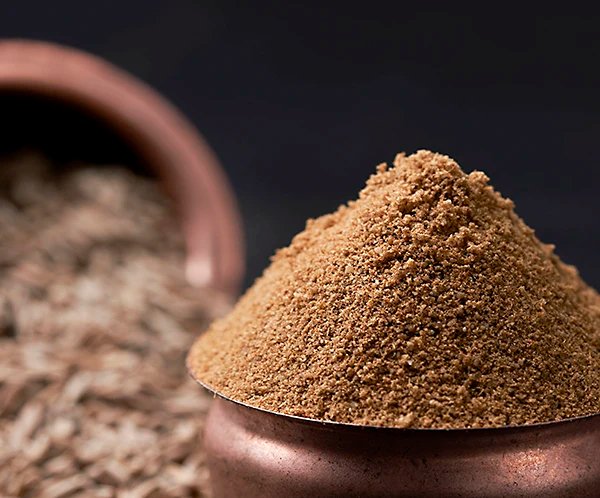
Jeera Powder
Jeera powder, also known as cumin powder, is a ground spice made from cumin seeds. It’s a popular ingredient in Indian, Middle Eastern, and Mexican cuisine, adding a warm, earthy flavor and aroma to dishes. Cumin powder is a versatile spice that can be used in various ways, including adding it directly to dishes during cooking, dry-roasting to enhance its flavor, or tempering it in oil.
Uses in Cooking:
- Flavor Enhancer: It’s a common ingredient in curries, stews, soups, and marinades, adding a complex, savory flavor.
- Spice Blends: Cumin powder is a key component in spice blends
- Garnish: It can be sprinkled over finished dishes to add a touch of flavor and aroma.
- Other Dishes: Cumin powder is used in Middle Eastern dishes like falafel and hummus, as well as in Mexican dishes like chili powder and taco seasoning.
Health Benefits:
- Digestive Aid: Cumin powder may help with digestion and reduce bloating.
- Antioxidant Properties: It’s a good source of antioxidants, which can protect against cell damage.
- Blood Sugar Control: Some studies suggest that cumin may help regulate blood sugar levels.
- Anti-inflammatory: It may have anti-inflammatory properties.
- Other Potential Benefits: Cumin is also believed to boost the immune system and may aid in weight management
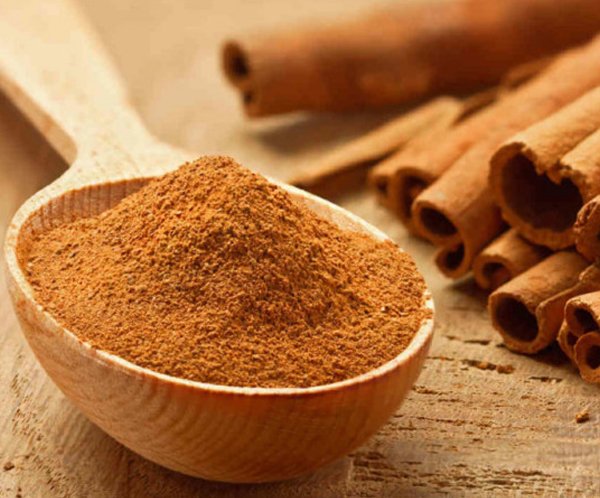
Cinnamon Powder
Cinnamon / Cinnamon powder is a spice derived from the inner bark of certain trees in the genus Cinnamomum. It’s made by drying and grinding the bark into a fine powder, and it’s commonly used in baking and various cuisines.
Key aspects of cinnamon powder:
- Origin: Cinnamon comes from the inner bark of cinnamon trees, particularly Cinnamomum zeylanicum (Ceylon cinnamon) and Cinnamomum cassia (Cassia cinnamon).
- Flavor and Aroma: Cinnamon powder has a distinctive warm, sweet, and slightly spicy flavor and aroma due to its essential oils, particularly cinnamaldehyde.
- Uses: It’s widely used in baking, desserts, and savory dishes, as well as in beverages like tea and hot chocolate.
- Health Benefits: Cinnamon has been associated with various health benefits, including antioxidant and anti-inflammatory properties, and potential benefits for blood sugar control and digestion.
Types: Ceylon cinnamon is considered higher quality, while Cassia cinnamon is more common and affordable.
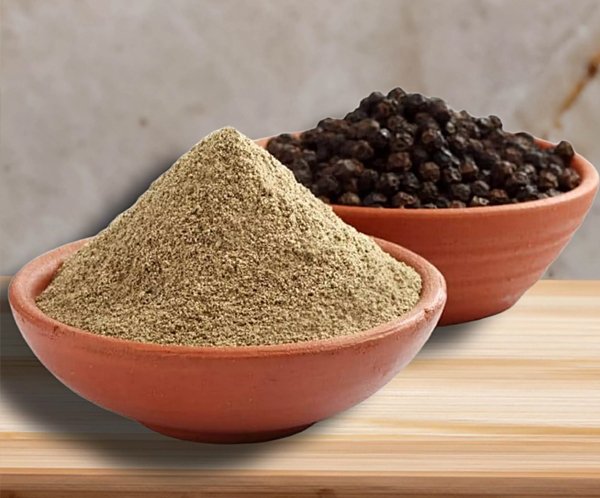
Black Pepper Powder
Black Pepper powder is a fine, brownish-black colored powder with characteristic aroma of pepper, that comes from ground black peppercorns. It has an active ingredient, piperine which is the source of its characteristic heat. It is used as a spice and seasoning for cuisines all over the world.
More than just a food flavor enhancer, black pepper offers health benefits thanks to its bioactive compounds, with piperine being the most important. Piperine is a natural alkaloid that gives black pepper its pungent taste. It is also the main component that gives black pepper its health-boosting qualities.
Piperine is considered a type of antioxidant that helps to lower the risk of chronic illnesses like atherosclerosis, cardiovascular disease, and neurological conditions.
Clove
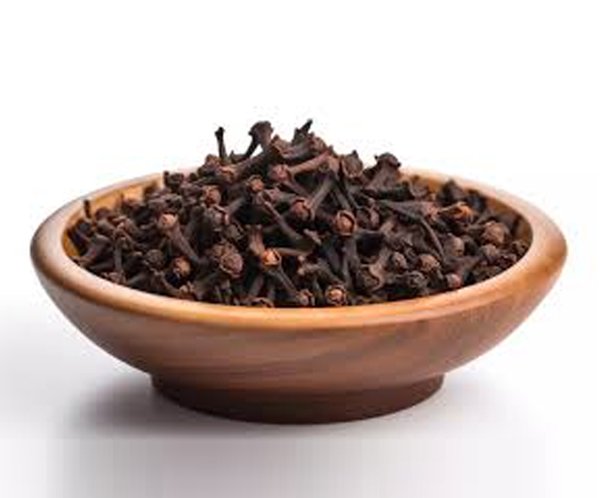
Cloves are the dried flower buds of the Syzygium aromaticum tree, a tropical evergreen native to Indonesia. They are a popular spice known for their strong, aromatic flavor and are used in various cuisines, both savory and sweet. Cloves also have a history of traditional medicinal uses.
Key Details:
- Botanical Origin: Syzygium aromaticum, a tree in the Myrtaceae family.
- Part Used: Dried, unopened flower buds.
- Cultivation: Primarily grown in tropical regions, with major producers including Indonesia, Zanzibar (Tanzania), and Madagascar. In India, cloves are cultivated in hilly regions of Tamil Nadu, Kerala, and Karnataka.
- Flavor and Aroma: Known for their pungent, aromatic flavor.
- Culinary Uses: Used whole or ground, they are a key ingredient in various spice blends, including Indian masala chai, Chinese five-spice, Indian garam masala, and pumpkin pie spice. They are also used in savory dishes and baked goods.
- Medicinal Uses (Historically): Traditional uses include treating toothache, indigestion, and various other ailments.
- Chemical Composition: Cloves contain essential oils, primarily eugenol, which is responsible for their flavor and aroma.
- Health Benefits: Research suggests that cloves may have antioxidant and antimicrobial properties.
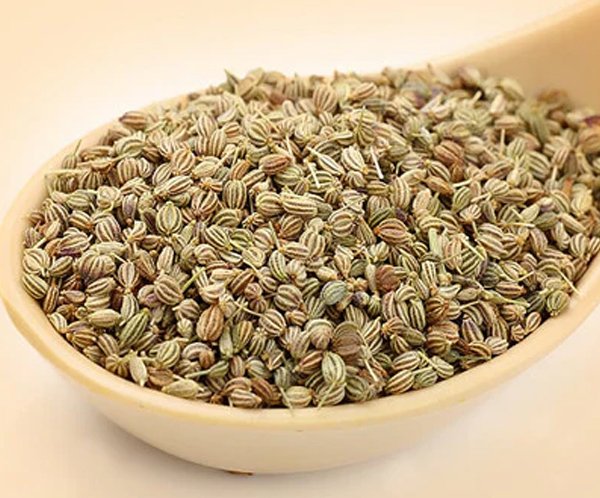
Carom Seeds
Carom seeds, also known as Ajwain, are small, brown, oval-shaped seeds with a unique, slightly bitter flavor and a distinctive aroma. They are a popular spice in Indian and Middle Eastern cuisine, used to enhance the taste of various dishes and for their medicinal properties.
Detailed Information:
- Botanical Name: Trachyspermum ammi.
- Origin: The seeds originated in the Middle East but are widely used in India, Pakistan, and other regions.
- Flavor Profile: Ajwain has a pungent, slightly bitter taste, similar to thyme and cumin.
- Uses in Cooking: They are commonly used as a spice in curries, bread, and pickles, adding a unique flavor and aroma.
- Medicinal Properties: Ajwain is known for its digestive benefits, helping to relieve indigestion and stomach pain. It is also used as a home remedy for colds and other ailments.
- Health Benefits: Ajwain is a good source of fiber, antioxidants, vitamins, and minerals. The fiber content aids digestion, and the antioxidants protect against cell damage.
- Other Uses: The seeds can be chewed raw, added to water or tea, or sprinkled over bread or biscuits.
- Cultivation: Ajwain is cultivated for both its leaves and seeds, with the oil extracted from the seeds used in various medicines.
- Storage: Store carom seeds in a cool, dry place to maintain their flavor and freshness.