
Grains & Cereals
BASMATI RICE
Basmati rice is one of the varieties of rice generally found in India. It is known for its long, slender looking grain and has a great aroma. Basmati rice is popular across the globe for its unique flavour. It is best used in dishes like biryani, fried rice, pilaf and such other popular dishes. India is one of the major basmati rice exporter.
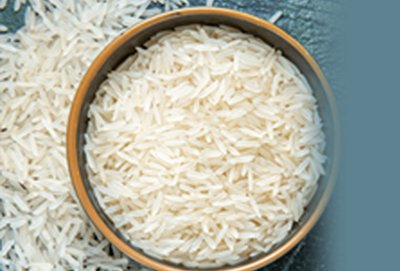
Basmati Rice - white
1121 is a variety having Basmati rice quality traits from the traditional Basmati varieties such as Basmati 370 and Type 3. This type is basically derived from the process of hybridization. Commercial cultivation for 1121 Basmati Rice started in 2003. It’s characteristics include extra-long slender milled grains, a pleasant aroma, volume expansion more than four times, appealing taste, good mouthfeel, and easy digestibility.

Traditional Basmati Rice
There are various types of basmati rice. Traditional types include basmati 370, basmati 385,. Traditional Basmati Rice is available in Parboiled and Raw form. It is used in Continental Cuisine, Indian Cuisine, Mughlai Cuisine & Chinese Cuisine.
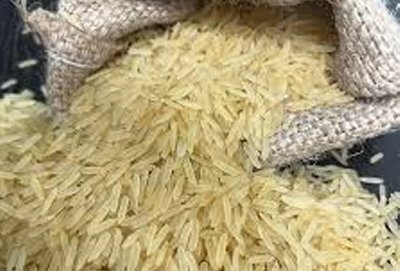
Golden Sella basmati rice
Parboiling rice retains more of the vitamins and minerals from the original grain. The procedure guarantees a firm grain upon cooking. Parboiled rice is both cholesterol and gluten free. It is also low in sodium and saturated fat. Rice provides complex carbohydrates used by the body for energy.
Sugandha Basmati Rice
Sugandha Basmati Rice is one of the low-cost long grain basmati rice in India. It is generally cultivated in Punjab, Haryana, and Uttar Pradesh and such other states of India. Sugandha Basmati Rice has a great fragrance and is non-sticky rice. It is usually slightly shorter than 1509 Basmati and 1121 Basmati rice. It may extend up to twice its length if cooked well.
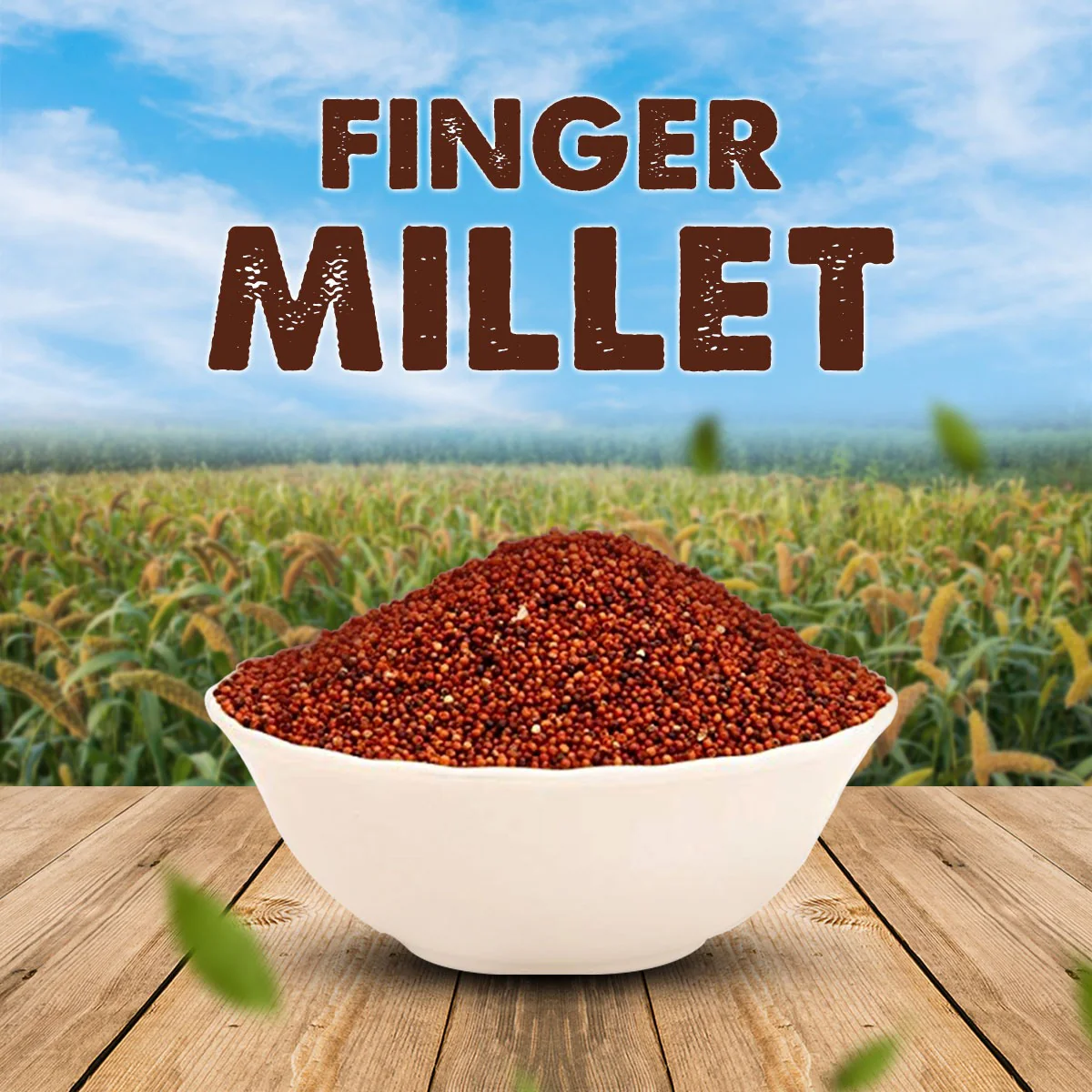
Finger millets (Ragi)
Finger Millet, also known as Ragi is an important millet grown extensively in various regions of India and Africa. Its scientific name is Eleusine coracana.
Nutritive value of Ragi
Finger millet is considered one of the most nutritious cereals. Finger millet contains about 5–8% protein, 1–2% ether extractives, 65–75% carbohydrates, 15–20% dietary fiber and 2.5–3.5% minerals. Of all the cereals and millets, finger millet has the highest amount of calcium (344mg%) and potassium (408mg%). The cereal has low fat content (1.3%) and contains mainly unsaturated fat. 100 grams of Finger millet has roughly on an average of 336 KCal of energy in them.
Being non-glutinous, finger millet is safe for people suffering from gluten allergy and celiac disease. It is non-acid forming, and hence easy to digest. Finger millet is rich in amino acids (Tryptophan, Threonine, Valine, Isoleucine and Methionoine).
Health benefits of finger millet (ragi)
- Finger millet is an excellent source of natural calcium which helps in strengthening bones for growing children and aging people. Regular consumption of finger millet is good for bone health and keeps diseases such as osteoporosis at bay and could reduce risk of fracture.
- It is now established that phytates, polyphenols and tannins can contribute to antioxidant activity of the millet foods, which is an important factor in health, aging and metabolic diseases.
- Finger millet’s phytochemicals help in slowing digestion process. This helps in controlling blood sugar level in condition of diabetes. It has been found that finger millet based diet helps diabetics as it contains higher fibre than rice and wheat. Also, the study found that diet based on whole finger millet has lower glycemic response i.e. lower ability to increase blood sugar level. This is due to presence of factors in finger millet flour which lower digestibility and absorption of starch.
- Because of its high nutritional content ragi flour is recommended as a weaning food especially in the southern parts of India.
- Finger millet is a very good source of natural Iron and its consumption helps in recovery of Anemia. The Ragi based foods are highly suited for expectant mothers and elderly due to there high calcium and iron content.
- Finger millet consumption helps in relaxing body naturally. It is beneficial in conditions of anxiety, depression and insomnia. It is also useful for migraines.
- Green ragi (finger millet) is recommended for conditions of blood pressure, liver disorders, asthma and heart weakness. Green ragi is also recommended to lactating mothers in condition of lack of milk production.
- If consumed regularly, finger millet could help in keeping malnutrition, degenerative diseases and premature aging at bay.
Pearl Millets (Bajra)
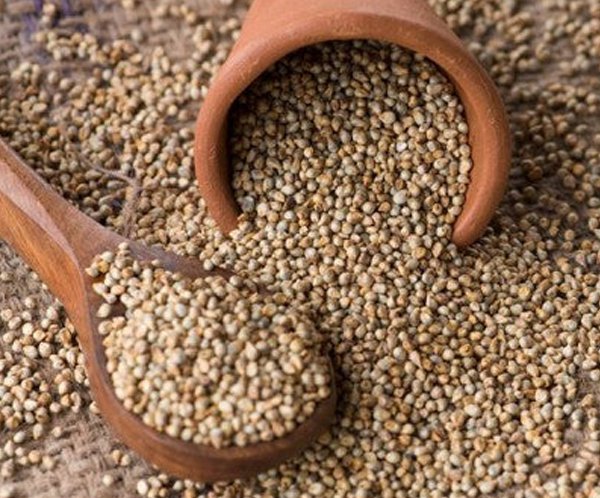
Bajra is the Indian word for pearl millet. It is one of the oldest cultivated grains. It is widely consumed in rural India and is available all over the world. It’s a rich source of a variety of nutrients and has a lot of health benefits.
Pearl millet is high in fiber and essential amino acids. In addition to being nutritious, bajra is resistant to drought, heat, and some forms of contamination that affect other grains. It has been used for years as a cover crop and animal feed, but its low cost and high nutrient content make it a great source of food for people as well. It is especially helpful in areas with food insecurity.
All whole grains, including bajra, have substantial health benefits, including:
Reduces your risk of developing type 2 diabetes.
The fiber in whole grains such as bajra is harder for your body to break down. Because of this, it doesn’t cause a spike in blood sugar that refined grains can cause. Stabilizing your blood sugar helps your body use insulin better.
Reduces your risk of cardiovascular disease. A diet high in whole grains such as bajra can help lower your total cholesterol, low-density lipoprotein (LDL) or bad cholesterol, triglycerides, and blood sugar levels. The Harvard-based Nurses’ Health Study found that women who ate two to three servings of whole grains daily were 30% less likely to have a heart attack or die from heart disease than women who ate less than one serving of whole grains weekly.
Boosts your energy level. Magnesium is important for the cells in your body. It plays a role in converting food into energy, regulating your nervous system, and creating new proteins. One of the first symptoms of magnesium deficiency is fatigue. Foods high in magnesium such as bajra can help you get enough magnesium in your diet and increase your energy level.
Sorghum (Jowar)
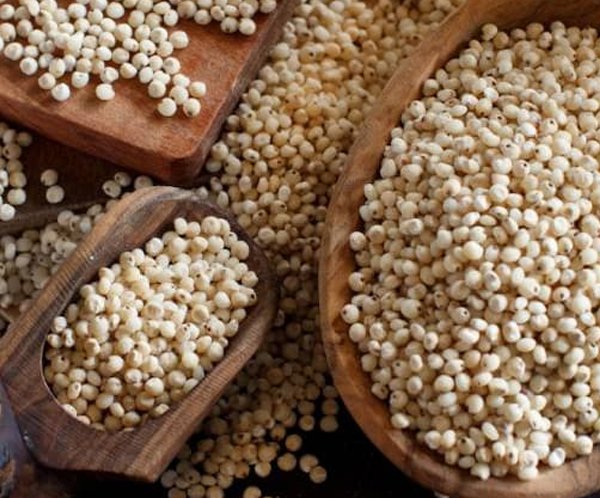
Sorghum is traditional staple food of the dry land regions of the world, a warm season crop intolerant to low temperatures, resistant to pests and diseases highly nutritious and a climate-compliant crop.
It ranks fifth in cereals produced world-wide and fourth in India. Generally, sorghum grains act as a principal source of protein, vitamins, energy and minerals for millions of people especially in the semi-arid regions playing a crucial role in the world’s food economy. It has a nutritional profile better than rice which is the staple food of majority of the human population for its rich protein, fibre thiamine, riboflavin, folic acid, calcium, phosphorous, iron and β-carotene. Sorghum is rich in potassium, phosphorus and calcium with sufficient amounts of iron, zinc and sodium. Due to this, it is being targeted as a means to reduce malnutrition globally. It helps to control heart problems, obesity and arthritis.
- Gut Health: The high fiber content in jowar aids digestion, prevents bloating and other gastrointestinal issues, and promotes overall gut health.
- Heart Health: Jowar can help lower LDL (bad) cholesterol levels, contributing to improved cardiovascular health and reducing the risk of heart disease.
- Energy Boost: Rich in nutrients like niacin (vitamin B3) and protein, jowar can enhance energy levels and support metabolic processes.
- Diabetes Management: Jowar has a moderate glycemic index, making it a good food option for individuals with diabetes, as it helps regulate blood sugar levels.
- Bone Health: The presence of calcium and magnesium in jowar supports bone health.
- Blood Circulation: Jowar’s iron and copper content contribute to improved blood circulation and help prevent anemia.
- Gluten-Free Alternative: Sorghum is naturally gluten-free, making it a suitable choice for individuals with celiac disease or gluten intolerance.
- Antioxidant Rich: Sorghum contains various antioxidants that can help combat oxidative stress and reduce the risk of chronic diseases.
- Weight Management: The high fiber content and low fat content of jowar can aid in weight loss and weight management.