
Seeds
CHIA SEEDS
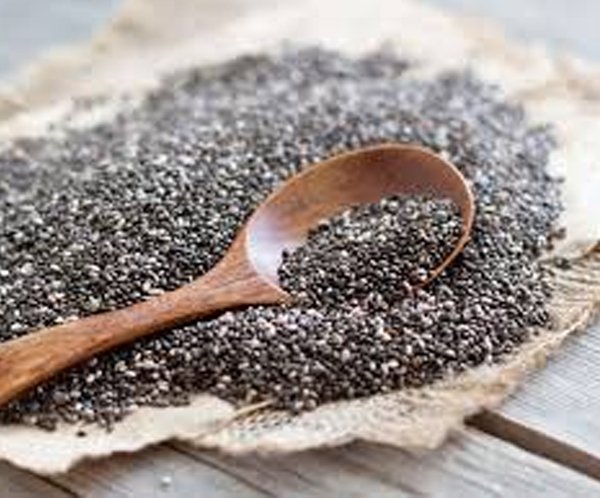
Chia seeds (Salvia hispanica), also called Salba chia or Mexican chia, are the edible seeds of a flowering plant from the mint family. Native to Mexico and Guatemala, the seeds have a long history. They were a vital crop in ancient Aztec and Mesoamerican cultures. The seeds had medicinal uses and made up an important part of people’s diets.
Health Benefits
Chia seeds are an excellent source of vitamins, minerals, and powerful antioxidants.
May combat free radicals
Antioxidants found in chia seeds can help to fight free radicals in your body. Free radicals cause oxidative stress and cell damage. Eating foods rich in antioxidants may help to reduce your risk of getting many health issues linked to free radicals, including heart disease, a decline in mental skills, and certain types of cancer.
Chia seeds contain quercetin, an antioxidant that can reduce your risk of several health conditions, including heart disease. The seeds are also high in fiber, which can help to lower high blood pressure and, in turn, lower your odds of getting heart disease
Helps manage blood sugar levels
Chia seeds are high in fiber. Studies show that fiber may help to reduce insulin resistance and improve blood sugar levels, reducing your risk of metabolic syndrome and type 2 diabetes . Research has also found that bread containing chia seeds triggers a lower blood sugar response than traditional bread, which helps to prevent high blood sugar levels.
Reduces inflammation
Chronic inflammation can lead to health conditions like heart disease and cancer. Caffeic acid, an antioxidant found in chia seeds, can help to fight inflammation in the body. Eating chia seeds regularly may also help to reduce inflammatory markers, which often show that an inflammatory disease is present.
May help in weight loss
A 1-ounce serving of chia seeds has 35% of your recommended daily allowance of fiber. The soluble fiber in the seeds absorbs water, causing them to expand in your stomach and increase your feeling of fullness when you eat them. By letting you feel fuller for longer, chia seeds can help you maintain a healthy weight.
Better bone health
Chia seeds have several nutrients that are vital for bone health, including magnesium and phosphorus. A single ounce of the seeds also contains 14% of your recommended daily allowance of calcium, which is vital for healthy bone, muscle, and nerve functioning. When compared gram for gram, chia seeds have more calcium than dairy products.
Can improve skin health
In one study, chia seed extract was found to have a high level of vitamin F, which plays a role in improving skin function and hydration. Another study found that chia seeds can help to improve overall skin health by protecting against certain enzymes related to aging. More research is needed.
May help you stay hydrated
When you eat products that are high in fiber, like chia seeds, you have to drink more water in order to avoid issues in your digestive tract.
You can try drinking chia seed water to add chia seeds to your diet. Adding water to chia seeds helps you stay hydrated while you get the benefits of the nutrients in the seeds.
FLAX SEEDS
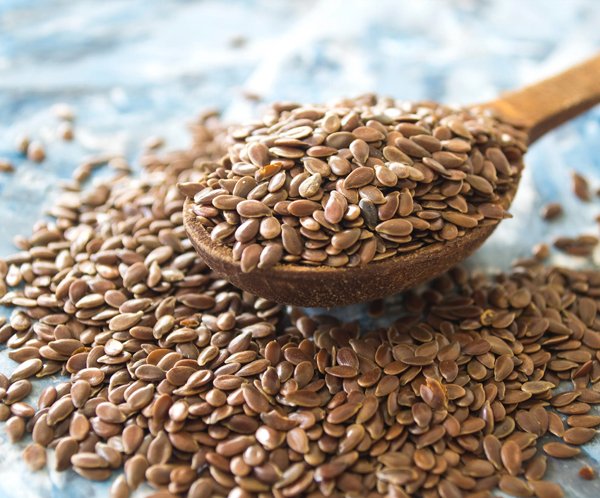
Flaxseed can provide many health benefits, such as:
- Vitamins, minerals, and fiber. It is high in magnesium, which is important for more than 300 different reactions in your body and helps with functions such as bone strength and building your DNA. Flaxseed also supplies a significant amount of choline, which helps your body’s cells communicate with each other.
- Heart health. Flaxseed has been shown to improve heart health in a number of ways. It’s rich in a type of omega-3 fatty acid called alpha-linolenic acid (ALA), which may help lower your risk of heart attack.
Flaxseed is thought to help with several conditions that are risk factors for heart disease. There’s good evidence that flaxseed and flaxseed oil may lower cholesterol levels. Some studies also indicate it could help lower blood pressure.
- Lower risk of cancer. Compounds called lignans have been linked to a lower risk of cancer, especially prostate and breast cancer. Flaxseed is one of the best natural sources of lignans, containing as much as 800 times more than other plants. It’s still being studied for its potential to prevent different types of cancer.
- Digestive health. Flaxseed is often used as a fiber supplement because it has so much dietary fiber. The forms of fiber found in flaxseed improve digestion by helping your intestines process waste more effectively and absorb cholesterol before it makes it to your bloodstream. Flaxseed may also ease constipation.
- Control blood sugar. If you have type 2 diabetes, adding flaxseed to your diet may help lower your blood sugar levels. But talk to your doctor before using flaxseed, as it may interact with diabetes medications, such as insulin.
- Stroke prevention. The ALA in flaxseed may help improve cardiovascular health and reduce the risk of stroke.
PUMKIN SEEDS
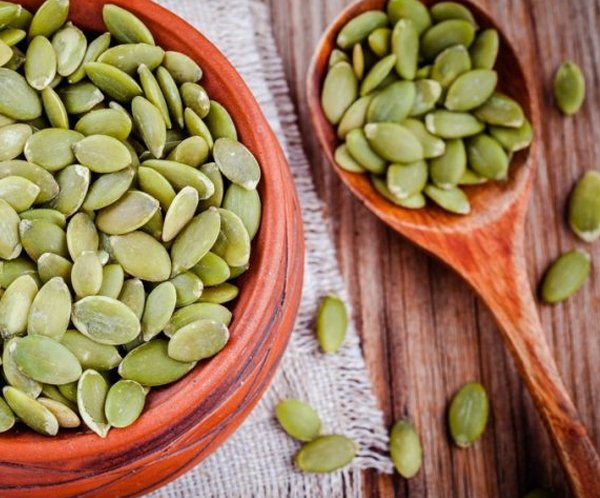
Pumpkin seeds are a rich source of protein, unsaturated fatty acids, vitamins, and minerals that may reduce your risk of getting chronic diseases, such as cancer.
Anti-inflammatory effects
Pumpkin seeds are rich in many antioxidants, which protect your cells from disease-causing damage and reduce inflammation in your body. When they have their hulls, they’re also a great source of dietary fiber, which can boost this effect. Studies show that anti-inflammatory foods can help you prevent chronic diseases, such as type 2 diabetes and heart disease.
Anti-cancer properties
Laboratory studies show that pumpkin seeds can stop the growth of breast and prostate cancer cells. They may also kill cancer cells by triggering them to apoptosis, or cancer cell death. Researchers think that the anti-cancer activity of pumpkin seeds may be due to the high antioxidant levels in the seeds. But more research is needed to see how pumpkin seeds work in people to stop cancer cells from growing or to kill cancer cells.
Healthy heart function
The high magnesium content in pumpkin seeds helps lower your blood pressure and keep it steady. Thanks to this effect, diets high in magnesium are linked to a lower risk of stroke and death from heart disease.
Studies show that the antioxidants in pumpkin seeds also increase nitric oxide levels in your body. This molecule works to keep your blood vessels smooth, flexible, and healthy, improving blood flow and reducing the risk of heart and circulation problems.
Better sleep
Snacking on pumpkin seeds before bed may help you get a better night’s rest. Pumpkin seeds are a natural source of tryptophan, an amino acid that promotes sleep. The zinc, copper, and selenium in pumpkin seeds can also affect sleep duration and quality. Finally, studies show that magnesium can help reduce stress and anxiety, contributors to insomnia.
SUNFLOWER SEEDS
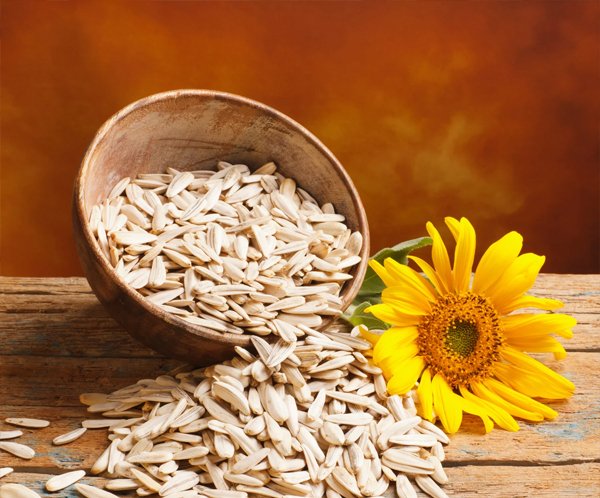
Sunflower seeds are harvested from the flower head of the sunflower plant. While the seed itself is encased in a black and white striped shell, sunflower seeds are white and have a tender texture. Known for their distinct nutty flavor and high nutritional value, you can eat the seeds raw, roasted, or incorporated into other dishes.
Health Benefits
Studies link the consumption of sunflower seeds to a number of health benefits, including lowering your risk of developing diseases like high blood pressure or heart disease. They also contain nutrients that can support your immune system and boost your energy levels.
Here are some of the health benefits of sunflower seeds:
Reducing Inflammation
For those with short-term or chronic inflammation, sunflower seeds can offer anti-inflammatory benefits. Sunflower seeds contain vitamin E, flavonoids, and other plant compounds that can reduce inflammation. A study found that consuming sunflower seeds and other seeds five times or more each week resulted in lower levels of inflammation, which also lowered risk factors for several chronic diseases.
Improving Heart Health
Sunflower seeds are rich in ‘healthy’ fats, including polyunsaturated fat and monounsaturated fat. A three-fourths cup serving of sunflower seeds contains 14 grams of fat. Studies found that consumption of seeds — including sunflower seeds — was linked to lower rates of cardiovascular disease, high cholesterol, and high blood pressure.
Supporting the Immune System
Sunflower seeds are a source of many vitamins and minerals that can support your immune system and increase your ability to fight off viruses. These include both zinc and selenium. Zinc plays a vital role in the immune system, helping the body maintain and develop immune cells. Selenium also plays a role in reducing inflammation, fighting infection, and boosting immunity.
Boosting Energy Levels
While the high levels of protein in sunflower seeds already help boost your energy levels, other nutrients like vitamin B and selenium can help keep you energized. The vitamin B1 (also known as thiamin) present in sunflower seeds can help you convert food to energy, which can keep you active throughout the day. Selenium can increase blood flow and deliver more oxygen to your body.
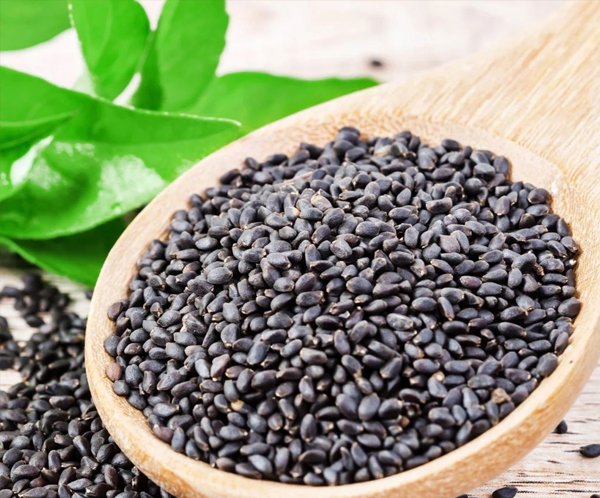
BASIL SEEDS
Sabja or tukmaria seeds are basil seeds in English. They have a long history of use in Ayurvedic and Chinese medicine, but their health effects have only been tested in a few studies.
Basil seeds aren’t just for growing basil plants — you can also eat them.
They look similar to sesame seeds but are black. The type that you eat typically comes from sweet basil, Ocimum basilicum, which is the plant commonly used to season foods.
For this reason, the seeds are typically referred to as sweet basil seeds. They also go by many other names, including sabja and tukmaria seeds.
- Good Source of Minerals
Based on U.S. product nutrition labels, 1 tablespoon (13 grams or 0.5 ounces) of basil seeds supplies 15% of the Reference Daily Intake (RDI) for calcium and 10% of the RDI for magnesium and iron.
Calcium and magnesium are essential for your bone health and muscle function, while iron is vital for red blood cell production
Many people don’t get enough calcium and magnesium through their diet. Eating basil seeds could help you reach your daily needs of these nutrients.
Packed with Fiber
Basil seeds are high in fiber, particularly soluble fiber, including pectin
basil seeds may benefit your health:
Helps you meet your fiber quota.
May support gut health.
May help you feel full.
May aid blood sugar control.
May improve cholesterol.
Rich in Plant Compounds
Basil seeds are rich in plant compounds, including flavonoids and other polyphenols.
Basil seeds are rich in plant compounds, including flavonoids, which may provide antioxidant, anti-inflammatory, antibacterial, and anticancer benefits. However, human studies are needed.
Fun and Fibrous Beverage Ingredient
Basil seeds have long been used in drinks in India and Southeast Asia.
Basil seeds have long been a popular ingredient in drinks in India and Southeast Asia. Now other parts of the world — including the United States — are starting to sell bottled basil seed beverages, which are rich in healthy fiber.
QUINOA SEEDS
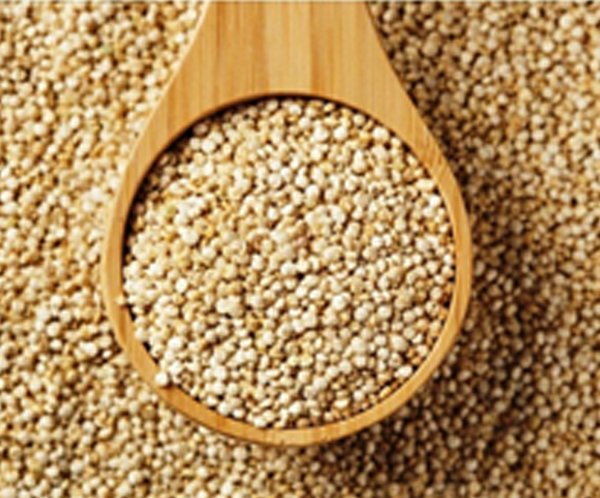
Quinoa is a grain crop grown for its edible seeds. These seeds are what we call quinoa — pronounced KEEN-wah. Although it’s usually grouped with cereal grains like oats and barley, quinoa is actually a pseudocereal grain. Pseudocereal grains are seeds that are prepared and eaten similarly to grains.
Quinoa contains several plant compounds that may benefit health in several ways.
Quercetin and kaempferol are two flavonoid plant compounds that have been particularly well studied. These are the main flavonoidsTrusted Source found in quinoa.
Quercetin and kaempferol have anti-inflammatory qualities and act as antioxidants in the body, meaning they help protect cells from damage caused by unstable molecules called free radicals.
A 1-cup (185-gram) serving of cooked quinoa contains 5.18 grams of fiber. That’s about 18% of the current 28-gram DV.
Quinoa contains more fiber than several other popular grains, like brown rice.
A 1-cup (195-gram) serving of cooked brown rice contains 3.51 gramsTrusted Source of fiber, 1.67 grams less than the same serving size of quinoa.
Adding fiber-rich foods like quinoa into your diet can help supportTrusted Source your digestive health by promoting regular bowel movements and fueling beneficial bacteria in your gut.
Eating a high fiber diet can helpTrusted Source you maintain a moderate body weight. Fiber helps promote feelings of fullness. Pairing high fiber foods like quinoa with high protein foods can help you feel satisfied after meals and may help you eat a healthful portion size.
Compared to other grains, quinoa is a good source of protein, providing 8 gramsTrusted Source per cooked cup (185 grams). It can help contribute to your daily protein intake.
Quinoa is often referred to as a complete protein. This is because it contains all nine essential amino acids that your body can’t make on its own.
WATERMELON SEEDS
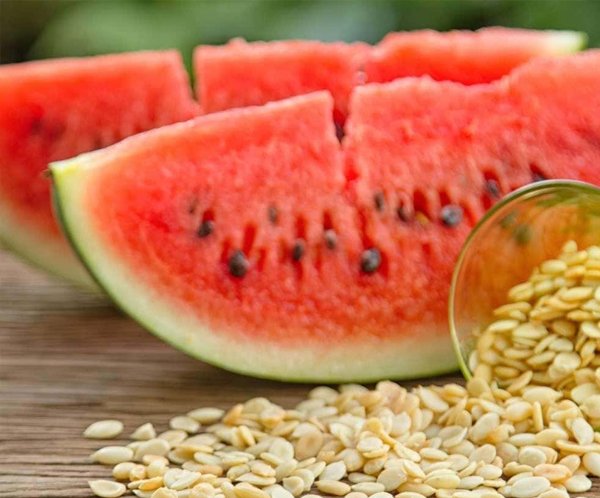
Watermelon seeds can provide beneficial nutrients, including magnesium and iron, and eating them roasted can be a healthful snack.
You might be accustomed to spitting them out as you eat — seed spitting contest, anyone? Some people just opt for seedless. But the nutritional value of watermelon seeds may convince you otherwise.
Watermelon seeds are low in calories and are nutrient dense. When roasted, they’re crispy and can easily take the place of other unhealthy snack options.
- Low calorie
One ounce of watermelon seed kernels contains approximately 158 caloriesTrusted Source. That’s not much lower than an ounce of Lay’s Potato Chips (160 calories), but let’s take a look at what constitutes an ounce.
A large handful of watermelon seeds weighs about 4 grams and contains about just 23 calories. Far less than a bag of potato chips!
- Magnesium
One of several minerals found in watermelon seeds is magnesium. In a 4-gram serving, you’ll get 21 mg of magnesium, which is 5 percent of the daily value.
The National Institutes of Health (NIH) recommends adults get 420 mg of this mineral daily. Magnesium is essential for many of the body’s metabolic functions. It’s also required to maintain nerve and muscle function, as well as immune, heart, and bone health.
- Iron
A handful of watermelon seeds contains about 0.29 mg of iron, or about 1.6 percent of the daily value. It might not seem like much, but the NIH only recommends adults get 18 mg in their day.
Iron is an important component of hemoglobin — carrying oxygen through the body. It also helps your body convert calories into energy.
However, watermelon seeds contain phytate, which decreases the absorption of iron and reduces their nutritional value.
- “Good” fats
Watermelon seeds also provide a good source of both monounsaturated and polyunsaturated fatty acids — one large handful (4 grams) provides 0.3 and 1.1 grams, respectively.
According to the American Heart AssociationTrusted Source, these fats are useful in protecting against heart attack and stroke, and lowering levels of “bad” cholesterol in the blood.
- Zinc
Watermelon seeds are also good source of zinc. They provide about 26 percent of the daily value in one ounce, or 4 percent DV in one large handful (4 grams).
Zinc is an important nutrient, essential to the immune system. It’s also necessary for:
- the body’s digestive and nervous systems
- cell regrowth and division
- your senses of taste and smell
OATS STEELCUT
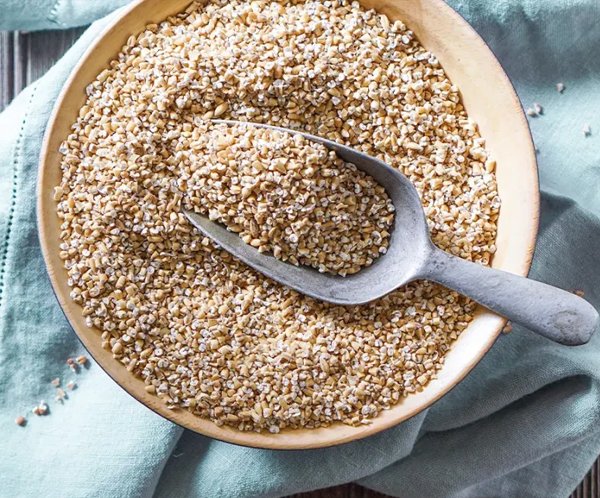
Steel-cut oats are the inner kernels of whole oats that have been cut down into 2 or 3 pieces using a steel blade. You might also hear them referred to as Irish oatmeal.
Steel-cut oats are chewy and have a slightly nutty flavor. They can be used in place of other types of oats in just about any recipe, or as a satisfying, fiber-rich breakfast option.
Steel-cut oats and old-fashioned oats, also known as rolled oats, are both oat kernels, but they’re processed differently. Steel-cut oats are cut into pieces while old-fashioned oats are steamed and rolled flat, which makes them cook faster.
Steel-cut oats take 15 to 20 minutes longer to cook than old-fashioned oats and require more water for cooking. They contain similar types and amounts of nutrients, but steel-cut oats have slightly more fiber.
Benefits of Steel-Cut Oats
The vitamins, minerals, and antioxidants in steel-cut oats can boost your health in many ways:
Healthy digestion. The fiber in steel-cut oats helps move food through more easily through your digestive tract so you don’t get backed up, or constipated.
Strong immune system. Fiber can also improve your gut health, which can make your immune system stronger and help lower your risk of diseases like cancer.
Support weight loss. Fiber slows the movement of food through your digestive tract, which helps you feel fuller after eating. This can help you avoid overeating if you’re trying to lose weight.
Control diabetes. Steel-cut oats are a low-glycemic index food, which means they won’t raise your blood sugar if you have diabetes. Research shows that regularly eating oats improves type 2 diabetes.
Manage cholesterol. The fiber in steel-cut oats–especially a type of fiber called soluble fiber — can help to lower your cholesterol. One study showed that eating 3 grams of soluble fiber from oats (about one-fourth-cup serving) every day lowers total cholesterol.